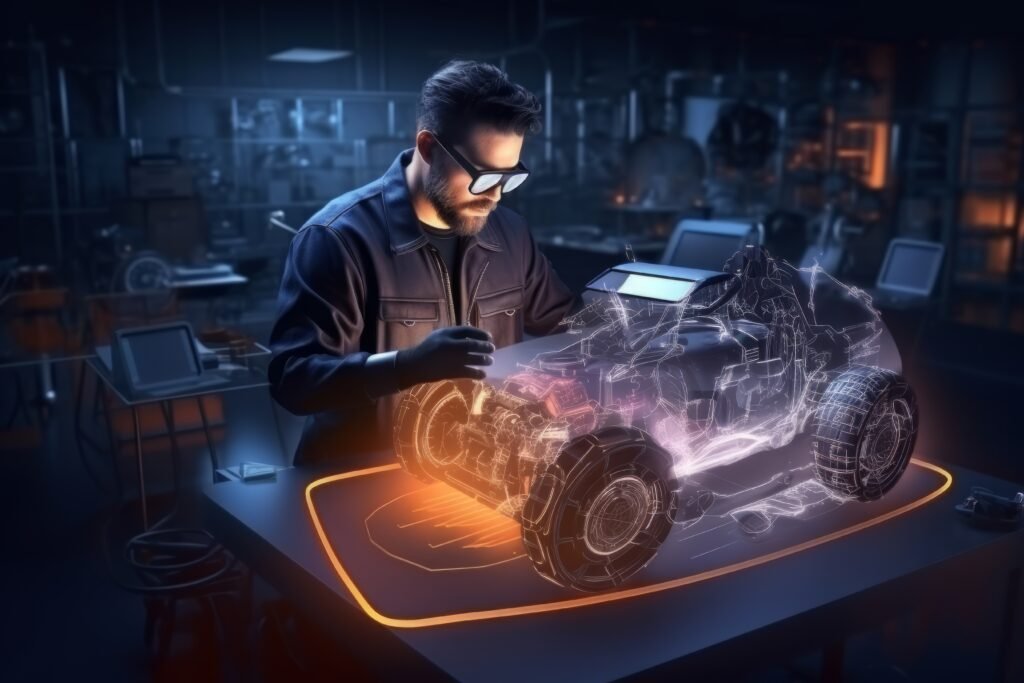
Owning a car comes with the responsibility of keeping it in good working condition. Whether it’s your daily commute or a road trip, regular car maintenance and timely repairs ensure that your car runs smoothly and stays safe. In this blog, we’ll explore the importance of car repair, essential tips to follow, and how regular maintenance can extend your vehicle’s life.
Why Car Repair Should Be a Priority 🛠️
Car repair isn’t just about fixing things when they break down—it’s about keeping your vehicle in top shape to avoid unexpected issues that can disrupt your day. Here’s why it should be a priority for every car owner:
- Safety First
Regular repairs ensure that essential safety features, such as the brakes, tires, and steering system, are functioning correctly. Faulty brakes, for example, can lead to serious accidents, while worn-out tires can reduce grip on the road, especially in rainy or icy conditions. Taking care of your car’s safety components prevents accidents and keeps you and your passengers safe. 🚨🛣️ - Avoiding Costly Repairs
Small issues, when left unaddressed, can quickly become major problems. A tiny leak or a worn-out part might not seem like a big deal at first, but it can lead to bigger, more expensive repairs down the line. Routine check-ups and timely fixes allow you to catch issues early, saving you money in the long term. 💰💡 - Improved Performance
When all systems in your car are in good condition, it runs more efficiently. Regular maintenance—such as changing the oil, cleaning the air filter, or checking the exhaust system—keeps your car performing at its best. This not only makes your ride smoother but also improves fuel efficiency, saving you money on gas. ⛽⚡
Common Car Repairs You Shouldn’t Skip 🔧
There are certain repairs and maintenance tasks that should never be overlooked. Neglecting them can result in serious consequences, such as breakdowns or accidents. Here are some of the most important ones:
- Changing Engine Oil
Oil is essential for keeping your engine running smoothly by reducing friction between moving parts. Over time, the oil breaks down and becomes less effective, which can lead to overheating and engine damage. Make sure to change your oil regularly, as per your car’s maintenance schedule. 🛢️⚙️ - Brake Inspection
The brake system is one of the most important safety features of your car. Worn-out brake pads or low brake fluid can drastically reduce your stopping power, increasing the risk of accidents. Get your brakes checked frequently and replace the pads when necessary to ensure optimal braking performance. 🚦🚨 - Tire Care
Tires are the only point of contact your car has with the road, so it’s vital to keep them in good condition. Check your tire pressure regularly and ensure that your tires are properly inflated. Also, rotate your tires to ensure even wear, and replace them when the tread becomes too thin. 🛞🔄 - Battery Health
A dead battery can leave you stranded at the worst possible time. Regularly check your battery’s condition and clean any corrosion from the terminals. If your car’s battery is more than a few years old, consider replacing it to avoid an unexpected failure. 🔋⚡
The Role of Technology in Car Repair 🧑🔧🤖
The automotive industry is becoming more advanced with the integration of new technologies, and car repair is no exception. Artificial Intelligence (AI) and diagnostic tools are playing an increasingly important role in identifying problems quickly and accurately. With AI-driven diagnostics, mechanics can now analyze data from the car’s sensors and pinpoint issues that may not be immediately visible. This leads to faster repairs and more accurate solutions, improving the overall customer experience. 🚗💻
AI-powered apps also allow drivers to monitor their car’s health in real-time, receiving alerts for upcoming maintenance needs or when there’s a problem that requires attention. This helps car owners stay ahead of potential issues and schedule repairs before they turn into major problems. 🔔🛠️
DIY vs. Professional Car Repair: What You Can Handle Yourself 🛠️
While some car repairs can be done by car owners themselves, others require professional expertise. Here’s a simple breakdown:
- DIY Repairs: Simple tasks like changing air filters, replacing windshield wipers, or changing the oil are generally easy for most car owners to do themselves. You can find detailed tutorials online or in your car’s manual to guide you through these basic repairs. 🔧📚
- Professional Repairs: When it comes to complicated issues like engine repairs, transmission work, or electrical problems, it’s best to leave it to the professionals. These types of repairs require specific knowledge and tools to get the job done right. 🧑🔧⚙️
Conclusion: Keep Your Car in Top Shape with Regular Care 🚗💡
Maintaining and repairing your car regularly is essential for its performance, safety, and longevity. Whether you choose to handle minor repairs yourself or rely on a professional mechanic, staying on top of your vehicle’s maintenance schedule is the key to preventing breakdowns and extending its lifespan. Regular car repair ensures that your car remains a reliable companion for your daily commute, road trips, and everything in between.
Don’t wait for problems to arise—take proactive steps today to keep your car in top condition! 💪🛠️